
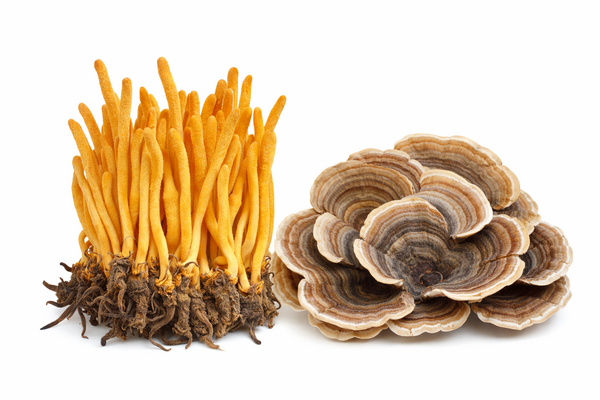
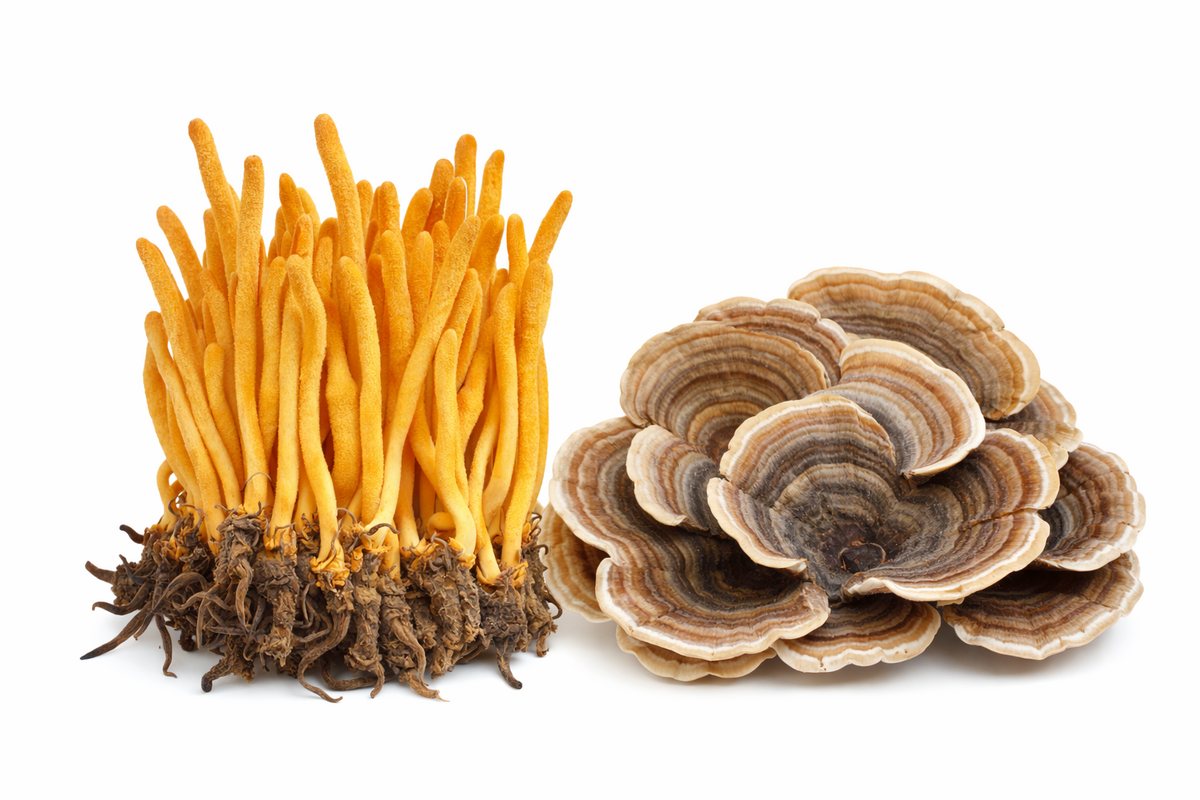
Cordyceps and Coriolus (Turkey Tail): What the Recent Regulatory Update Means
Recent guidance from the Food Standards Agency (FSA) has led to questions about the availability of certain medicinal mushrooms, including Cordyceps and Coriolus (Trametes versicolor), in the UK. This update relates specifically to how these substances are classified when sold as foods or food supplements to the general public.
In brief, the FSA is currently treating these medicinal mushrooms as “novel foods” when they are marketed for retail sale. This means they cannot be sold directly to the public over the counter or online without a novel food authorisation. This classification is based on technical regulatory criteria relating to historical food use in the UK and EU, rather than on new safety concerns.
Importantly, this does not affect the professional practice of herbal medicine.
Under UK medicines legislation, qualified medical herbalists may continue to obtain, prescribe, and dispense Cordyceps and Coriolus as medicines following a full herbal consultation, where they are supplied on an individual basis to patients. This long-established exemption recognises the role of trained practitioners in assessing suitability, dosage, and safety for each patient.
For patients, this means there is no change to access via a registered herbal practitioner, and no need for concern if these substances form part of an ongoing or newly prescribed treatment plan. For practitioners, existing professional practice remains fully supported within current law.
The Register of Chinese Herbal Medicine (RCHM) works closely with partner organisations, including the European Herbal & Traditional Medicine Practitioners Association (EHTPA), to monitor regulatory developments and to ensure that both practitioners and the public receive clear, accurate information. We will continue to update members as the situation evolves.
If you are unsure how this applies to your practice or treatment, we recommend discussing it directly with your herbal practitioner or consulting the full EHTPA statement linked below.


